Showing posts with label #Protein. Show all posts

Monday, June 15, 2015

Best and super economical protein sources for vegetarians


Vegetarian diet has always been considered as low on protein and high on carbs. Every now and then diet experts, doctors and meat lovers have taken a stab at the vegetarian way of living as low protein, unhealthy and low energy diet.

The main aim behind this post is to articulate how vegetarian diet can be made protein rich and high energy. Below is the vegetarian sources of protein which are healthy, affordable and very easy to digest

 1.      Textured Soya Protein or Soya chunks: 

Easily available at any super store are chunks made out of soya beans, these can be boiled and used as a protein additive to any dish you are making, containing 50% and 70% soy protein. They have a mild beany flavor. Textured vegetable protein can be found in natural food stores and larger supermarkets, usually in the bulk section.


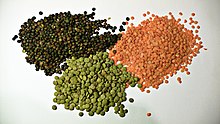
2.      Lentils and Legumes

Lentils, a small but nutritionally mighty member of the legume family, are a very good source of cholesterol-lowering fiber. Not only do lentils help lower cholesterol, they are of special benefit in managing blood-sugar disorders since their high fiber content prevents blood sugar levels from rising rapidly after a meal. But this is far from all lentils have to offer. Lentils also provide good to excellent amounts of seven important minerals, our B-vitamins, and protein—all with virtually no fat. The calorie cost of all this nutrition? Just 230 calories for a whole cup of cooked lentils. This tiny nutritional giant fills you up—not out.

3.      Cottage cheese or Paneer


Cottage cheese is one of the best and very easily digestible source of protein from milk. This is a staple in Indian vegetarian households due to ease of making and availability. Paneer is prepared by adding food acid, such as lemon juice, vinegar, citric acid or yogurt,[1] to hot milk to separate the curds from the whey. The curds are drained in muslin or cheesecloth and the excess water is pressed out. The resulting paneer is dipped in chilled water for 2–3 hours to improve its texture and appearance. From this point, the preparation of paneer diverges based on its use and regional tradition.
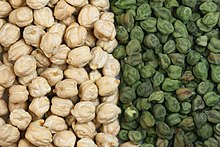

4.      Chick peas


Chick peas are another low cost high value protein source, In ancient Indian culture chick peas were considered such high source of protein and energy that war horses were fed on chick peas for muscle buildup and strength.  


So next time you meet any meat eater who is bragging about his protein intake make sure you give it back with all this knowledge. Many more options on vegetarian protein sources can be found here


Stay healthy and love vegetarian food.

Thursday, March 5, 2015

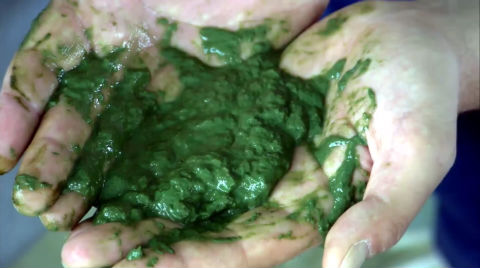
Spirulina, vegan source of Iron and Protein

So what is Spirulina?

Its is an extract from Algae. It is available in various forms in the market such as powder, tablets, drinks,  etc. If  harvested correctly from non-contaminated ponds and bodies of water, it is one of the most potent nutrient sources available. 
They occur naturally in tropical and subtropical lakes with high pH and high concentrations of carbonate and bicarbonate.

History :

In 1974, the World Health Organization described Spirulina as "an interesting food for multiple reasons, rich in iron and protein, and is able to be administered to children without any risk," 

Spirulina was a food source for the Aztecs and other Mesoamericans until the 16th century; the harvest from Lake Texcoco and subsequent sale as cakes were described by one of Cortés' soldiers. The Aztecs called it "tecuitlatl".

Nutrition : 

Dried spirulina contains about 60% (51–71%) protein. Also Spirulina has a very high concentration of bio-available iron and is excellent during pregnancy and for those with anemia and will not cause constipation.

Health Benefits : 


  • Good for treating allergies and allergic reactions.
  • Spirulina can increase fat burning during exercise.
  • Very good anti oxidant, 4x more antioxidant than blue berry
  • Very good for patients having radioactivity exposure or radiation therapy.
  • Spirulina can bind with heavy metals in the body and help remove them.
  • Useful in treating  diabetes and high cholesterol


Thursday, February 26, 2015

Protein Powerhouse.... Quinoa

 History : Quinoa was domesticated 3,000 to 4,000 years ago for human consumption and originated in originated in the Andean region of ChilePeruBoliviaEcuador and Colombia. 

Nutrition : Protein content in Quinoa is as high as 14% by mass, Quinoa is naturally gluten-free and contains iron, B-vitamins, magnesium, phosphorus, potassium, calcium, vitamin E and fiber. It is one of only a few plant foods that are considered a complete protein and comprised of all pernine essential amino acids.


Suggested Benefits : 

  • Promotes Healthy Blood Sugar Levels
  • Promotes Healthy Heart and Blood Vessel Functiions
  • Reduces Migraines
  • Gluten free
  • Minimal level of Fat
  • Promotes digestion
  • High Energy
Good Source of : Source 

Nutritional value per 100 g (3.5 oz)
Energy1,539 kJ (368 kcal)
64 g
Dietary fibre7 g
6 g
Saturated0.7 g
Monounsaturated0.1.6 g
Polyunsaturated3.3 g
14 g
Vitamins
Vitamin A equiv.
(0%)
1 μg
Thiamine (B1)
(31%)
0.36 mg
Riboflavin (B2)
(27%)
0.32 mg
Niacin (B3)
(10%)
1.52 mg
(15%)
0.77 mg
Vitamin B6
(38%)
0.49 mg
Folate (B9)
(46%)
184 μg
Vitamin B12
(0%)
0 μg
Choline
(14%)
70.2 mg
Vitamin C
(0%)
0 mg
Vitamin E
(16%)
2.44 mg
Vitamin K
(0%)
0 μg
Trace metals
Calcium
(5%)
47 mg
Iron
(35%)
4.6 mg
Magnesium
(55%)
197 mg
Phosphorus
(65%)
457 mg
Potassium
(12%)
563 mg
Zinc